
SHARE:


- Belonging builds slowly through small rituals and gestures, like a gym routine, greetings, or brief chit chat, not a single moment on day one.
- A cultural shift from output focused to friends first created a balance of operational rigor and relational warmth that keeps people and work strong.
- Remote teams need intentional rhythms: regular one on ones, group calls, and personal check ins so small moments can build connection across distance.
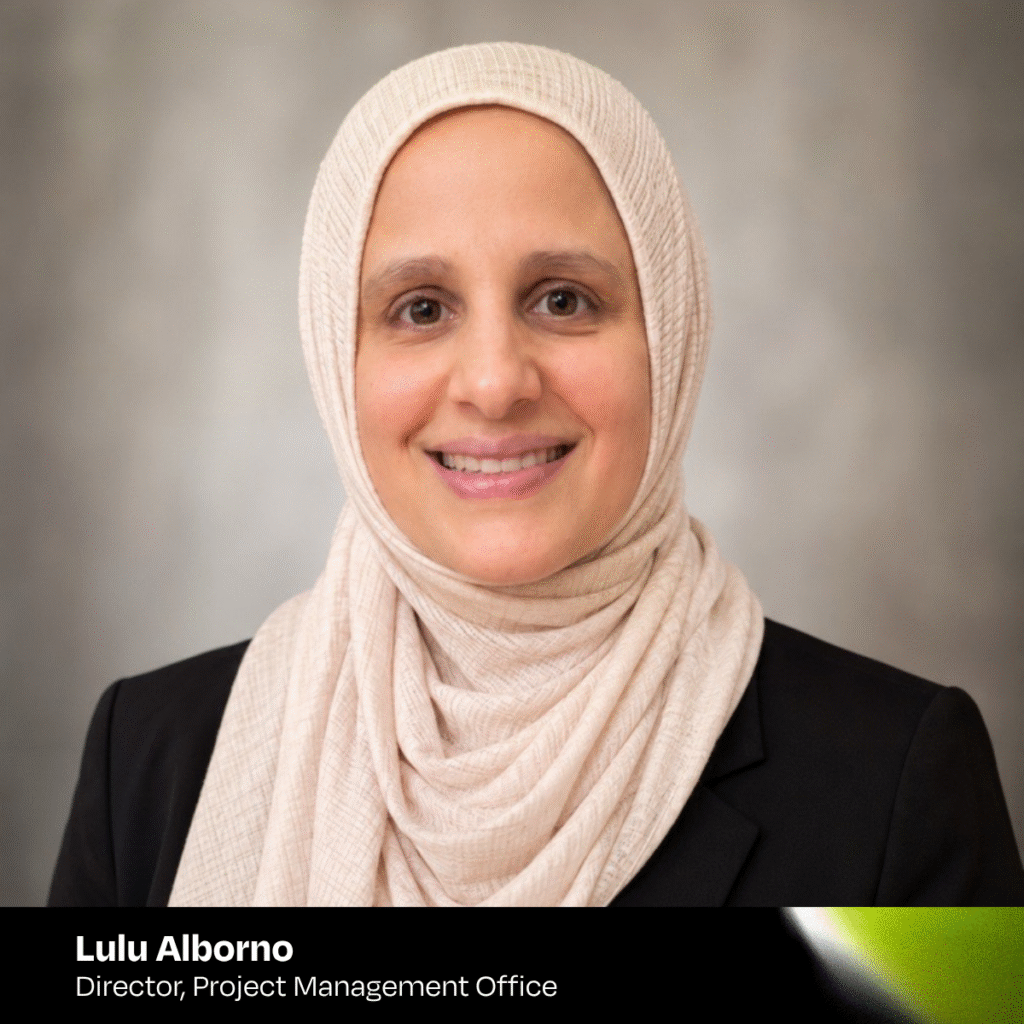
Lulu Alborno will tell you straight up that her first few weeks at DISYS were awkward.
She’d come from the manufacturing world, where the rhythm of the day was physical and the social rules were different. Walking into a corporate office setting for the first time, she wasn’t sure what to make of the quiet. People kept to themselves. The energy was heads-down and task-oriented.
“I came in and to be honest, I was like, what is happening here?” she said. “Nobody would talk to each other.”
It was also the first time she’d worked alongside other Muslims. She recognized their names, and she wears hijab, so the connection felt like it should have been obvious. But no one greeted her with salaam, the way Muslims typically greet each other, and she started to wonder if she’d read the room wrong. Maybe they weren’t Muslim after all.
Then, a few weeks in, someone sent a company-wide email for the first Muslim holiday of the year: Eid Mubarak.
“And I was like, oh, they are Muslim,” she said, laughing. “It was just one of those things. Growing pains.”
The 6 A.M. Class
Belonging didn’t arrive all at once for Lulu. It built slowly, the way it tends to when you’re somewhere new and still figuring out the rhythms. Pre-COVID, the DISYS team was in the office five days a week, and over time she found a group of peers around her age who she clicked with. What brought them together was the gym.
There was a local gym within walking distance of the office. Lulu would go in early because she had to leave by a certain time to pick up her kids from daycare, and there was a 6 a.m. class that she and one coworker started attending together. Afterward, they’d walk over to the office and have their morning coffee before anyone else showed up.
“It was such a nice ritual of starting our day,” she said. “That whole group of people was kind of where I felt like I belonged.”
She points out that these weren’t people she would have met in any other context. Different backgrounds, different stages of life. But five days a week in the same building has a way of closing that gap, and the friendships stuck. Lulu is originally from North Carolina, and she has that Southern instinct to want to know everything about everybody, where you’re from, what your family’s like. That energy helped.
Friends First
Lulu has been with the company for ten years now, which means she’s lived through the full arc: DISYS to the Signature Consultants acquisition to becoming Dexian. She’s an engineer by training, and her natural mode is efficiency. Get the work done, go home.
Old DISYS matched that energy. She describes the culture back then as systematic and process-oriented. Her first boss is still a huge mentor in her life, but the broader environment was focused on output, and personal connection wasn’t really part of the equation.
When Signature came in, the shift was immediate. “Signature came in and it was like, friends first,” she said. “And I was like, what’s happening? You care about me?”
She was uncomfortable with it for a while. After years of heads-down efficiency, the warmth felt unfamiliar. But the two cultures started to meet somewhere in the middle, and what Dexian became was a place where chit-chatting for a few minutes before diving into work wasn’t considered wasted time. Knowing your coworker’s dog’s name or what they did over the weekend became part of the rhythm.
Building It From a Distance
These days, Lulu manages a team that’s spread across the country. None of them share an office, and their projects don’t overlap much day-to-day either, since each person manages individual work that aligns with corporate strategy but doesn’t always require collaboration. So, belonging on Lulu’s team doesn’t happen by accident. It has to be built on purpose.
They’ve found a rhythm: bi-weekly one-on-ones, a monthly group call, and the hope of getting together in person once a year when the budget allows. She encourages the team members who live near each other to grab lunch at least once a month. On group calls, they share wins and losses and catch up on each other’s lives, because Lulu still has that North Carolina instinct to want to know everything about everybody. She wants to know your wife’s name and what’s going on with your dog and whether your kid has started kindergarten yet.
That kind of attention takes more effort when you can’t bump into someone in the hallway, and Lulu is honest about the fact that it’s still a work in progress. Distributed teams across Dexian are all navigating some version of this, figuring out what connection looks like when your closest teammate might be a few states away. There’s no single playbook for it, and Lulu would be the first to say she’s still writing hers.
What she keeps coming back to is that the small stuff matters more than people think. Remembering what someone mentioned on the last call. Sharing a win that isn’t yours. Checking in on someone during a quiet week when there’s no work reason to. Making space in a meeting for the kind of conversation that doesn’t have an agenda item attached to it. These are the things that made her feel like she belonged ten years ago, and she’s trying to carry them forward in a format that looks a little different now.
Why It Took Ten Years to Make Sense
Lulu’s story at Dexian doesn’t follow a clean arc. It started with an awkward silence and a cultural misread, moved through a gym buddy and a group of friends she never expected to make, survived a full company merger, and eventually turned into a leadership role where she’s responsible for creating the very thing she spent her first few weeks looking for.
That progression matters because it reflects something real about how belonging works at Dexian, and probably at most companies if they’re being honest. It’s rarely a single moment. It’s almost never something that HR can hand you on your first day. It builds in layers, and some of those layers take a while to show up.
When Lulu talks about the shift from DISYS to Signature to Dexian, she’s describing a company that learned how to hold two things at once: the operational rigor that gets the work done and the relational warmth that makes people want to stay while they’re doing it. That balance didn’t exist when she started. It had to be built, and it took the collision of two very different cultures to get there.
“It’s not a waste of time,” she said about the chit-chat, the check-ins, the five minutes at the top of a call that have nothing to do with a deliverable. “It’s caring. It builds relationships.”
For Dexian, that’s the part of belonging that’s hardest to put in a slide deck but easiest to feel when it’s there. It looks like an Eid Mubarak email from a coworker who noticed, or a 6 a.m. gym class that turns a colleague into a friend. It’s a manager who remembers what you said two calls ago and brings it up the next time without being asked. None of that scales neatly, and none of it happens without someone deciding it’s worth the effort.
Lulu decided that a long time ago. Ten years later, she’s still deciding it, and she’s making sure her team gets to feel it too.
SHARE: